

Blueprint Facial: New Paradigm in Plastic Surgery Combines Art and Science
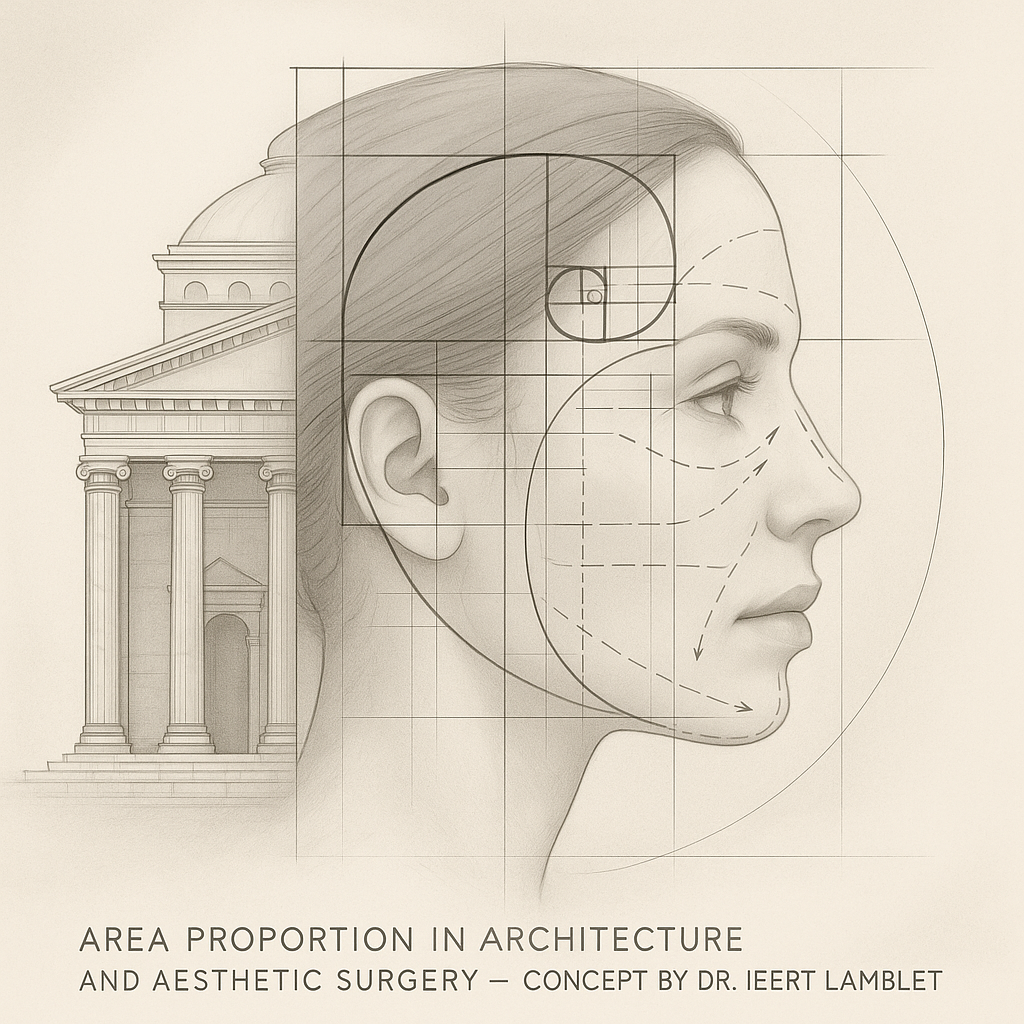
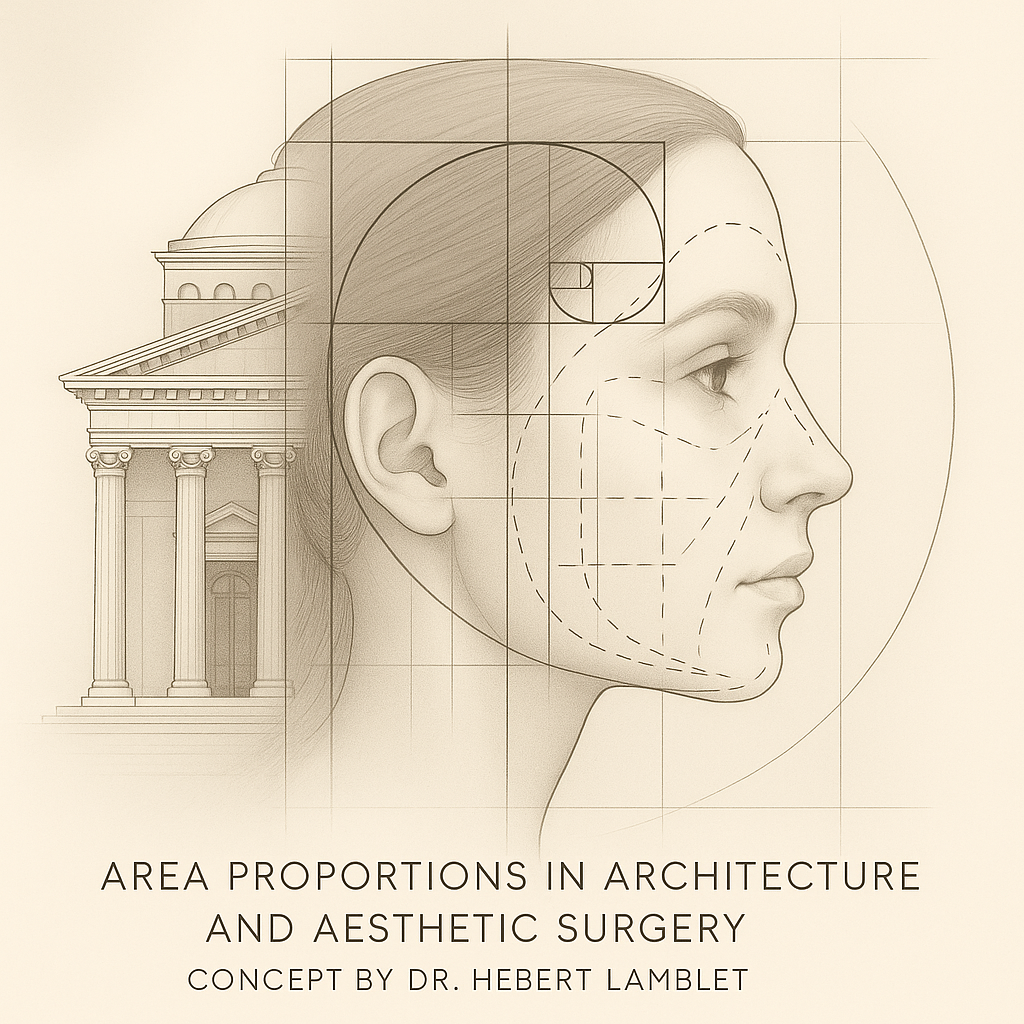
Blueprint Facial methodology transforms facial surgery through architectural principles, delivering natural rejuvenation while preserving your unique identity.
RIO DE JANEIRO, RJ, BRAZIL, December 22, 2025 /EINPresswire.com/ -- Facial Rejuvenation Inspired by Architecture: A New Paradigm in Plastic SurgeryImagine walking through the curves of the Museum of Contemporary Art in Niterói, one of Oscar Niemeyer's masterpieces. Your eyes trace the fluid lines, the balanced structure, and the form that defies gravity while remaining firmly anchored to solid foundations. Now, imagine that same architectural perspective applied to the human face, analyzing it as a three-dimensional work that combines fundamentals, support, and harmony.This is the essence of the architectural approach to facial rejuvenation, which considers:
Foundation structures: The facial skeleton as the base for form and support.
Support pillars: Deep tissues, such as the SMAS (Superficial Musculoaponeurotic System), that sustain the facial "facade."
Dynamic facade: The skin and subcutaneous tissues, forming the visible layer that interacts with the environment.
Negative spaces: Concavities and convexities that create shadows and highlight volumes, conferring depth and definition to the face.
The Face as an Architectural StructureArchitecture and facial plastic surgery share fundamental principles: proportion, structural balance, and visual harmony. The golden ratio (1:1.618), for example, is widely used to define universal beauty standards. "The human face is more than a set of aesthetic features; it is our materialized identity, a structure that carries history and personality," affirms Dr. Hebert Lamblet, a plastic surgeon specializing in facial rejuvenation.When analyzing the face from this perspective, it becomes clear that a comprehensive approach is necessary—one that considers the face as a three-dimensional project.
This includes:
Support vectors: Lines of force that maintain facial tissues in position.
Anchorage points: Strategic areas for repositioning tissues with stability.
Structural degradation analysis: Detailed evaluation of aging effects on each facial component.
From Theory to Practice: The "Blueprint Facial" MethodologyInspired by this vision, Dr. Lamblet developed the "Blueprint Facial" methodology, which uses structural design principles to map the face in a personalized manner. This approach includes:
Three-dimensional facial mapping: A detailed analysis that identifies areas of support and projection.
Aging projection: Simulations that help plan interventions considering how the face will evolve over time.
"The architectural approach allows us to restore facial harmony without compromising the patient's identity, preserving their essence," explains Dr. Lamblet, who applies advanced techniques such as Deep Plane Facelifting, endoscopic frontal surgery, and autologous fat grafting to achieve natural and lasting results. Clinical Cases and Success Stories: Christina L., 57 Years OldA practical example illustrating the effectiveness of the architectural approach to facial rejuvenation is the case of Christina L., a 57-year-old patient seeking a solution for aging signs on her face. Christina reported dissatisfaction with neck laxity, loss of mandibular definition, and deep wrinkles around the eyes and mouth, but feared artificial or overly dramatic results.Application of the "Blueprint Facial" MethodologyDr. Hebert Lamblet used the "Blueprint Facial" methodology to perform a three-dimensional mapping of Christina's face, identifying key areas requiring intervention. The planning included:
Support vectors: Repositioning of deep tissues, such as muscles and ligaments, as well as three-dimensional facial structures, including the chin, mandible, and malar bone. This created a new facial "frame," respecting the original anatomy and promoting a natural result.
Strategic anchorage points: Deep Plane Facelifting techniques were applied with focus on deep ligaments and the SMAS, restoring firmness without excessively tensioning the skin.
Autologous fat grafting: Areas such as the temples and cheekbones received fat grafts from Christina's own body, restoring volume and softness to regions that had lost definition over time.
Ancillary procedures: To complement surgical results, treatments with fractional laser and radiofrequency were performed, improving skin texture and quality, while evening out facial tone.
Results and ImpactThe result was a subtle and harmonious rejuvenation that preserved Christina's essence without altering her facial identity. After surgery, Christina reported:"I feel like a renewed version of myself. People say I look rested and radiant, but they can't tell I had surgery. That's exactly what I wanted."This case exemplifies how the architectural approach to facial rejuvenation, by respecting the face's original structure and prioritizing personalized interventions, can deliver natural and lasting results.
Moreover, it demonstrates the importance of integrating advanced techniques with complementary treatments to achieve a complete and balanced transformation while respecting each patient's individuality.Technological Advances and New StrategiesRecent studies from the American Society of Aesthetic Plastic Surgeons (ASAPS) show that 85% of patients prefer techniques combining aesthetics and functionality. Furthermore, technological advances—such as robotic surgery, continuous learning in Cadaver Labs, and hands-on courses—have enabled interventions with greater precision and predictability.The revisiting of techniques such as Deep Plane Facelifting and facial videoendoscopy has encouraged surgeons to rethink their strategies. According to data from the International Society of Aesthetic Plastic Surgery (ISAPS), facial procedures, including lifting and minimally invasive techniques, experienced significant growth in the past year.The combination of these advanced techniques with ancillary procedures—such as fillers, lasers, radiofrequency, and J-Plasma—has contributed to more natural and staged results. "These complementary technologies allow us to address not only structure but also skin quality, promoting a comprehensive approach to facial rejuvenation," highlights Dr. Lamblet.Adaptive Restoration: Preserving and InnovatingInspired by the architectural practice of adaptive restoration, this approach seeks to preserve the defining characteristics of the face while adapting its structure to changes brought by time. Rather than "demolishing and rebuilding," the goal is to respect the history inscribed on the face and restore its functionality and aesthetics in an integrated manner.A New Paradigm in Facial RejuvenationThe application of architectural principles to facial plastic surgery represents a milestone in the field's evolution. By uniting concepts of structural design with advanced medical knowledge, this approach transcends simple beautification, promoting true functional and aesthetic harmony. "The human face is the most complex and significant architectural work we have the privilege to work with," concludes Dr. Hebert Lamblet.
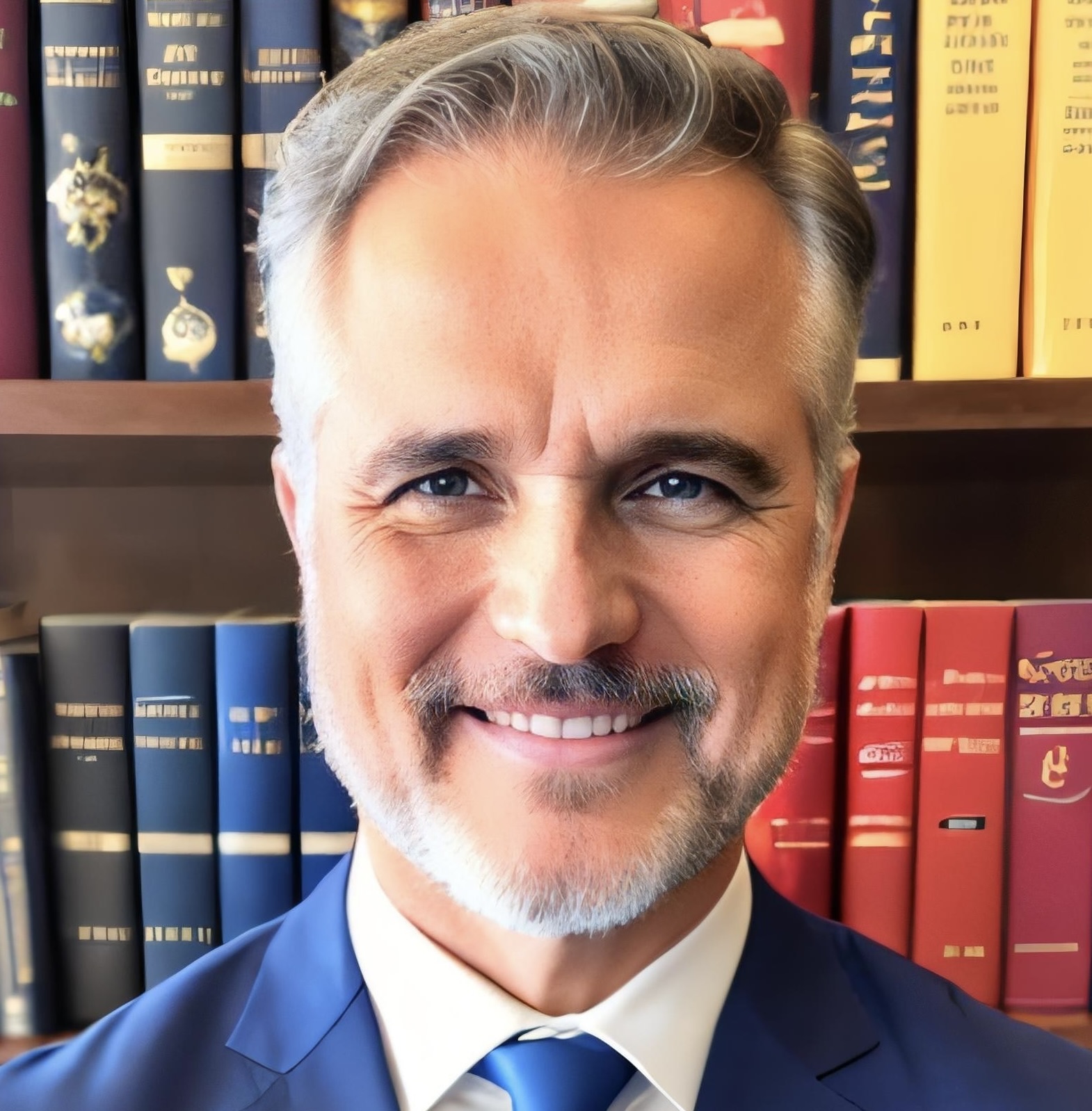
Hebert Teixeira Lamblet
Dr Hebert Lamblet Clinic
+55 21 98182-9808
email us here
Visit us on social media:
LinkedIn
Legal Disclaimer:
EIN Presswire provides this news content "as is" without warranty of any kind. We do not accept any responsibility or liability for the accuracy, content, images, videos, licenses, completeness, legality, or reliability of the information contained in this article. If you have any complaints or copyright issues related to this article, kindly contact the author above.
